 Bird App
Bird of the day
ʻAkohekohe
Palmeria dolei
The ʻākohekohe (Palmeria dolei), or crested honeycreeper, is a species of Hawaiian honeycreeper. It is endemic to the island of Maui in Hawaiʻi. The ʻākohekohe is susceptible to mosquito‐transmitted avian malaria (Plasmodium relictum) and only breeds in high‐elevation wet forests (> 1715 m).
The ʻākohekohe (pronounced "ah ko-hay ko-hay") is the largest honeycreeper on Maui, at 6.5 to 7 inches (17 to 18 cm) in length. The adults are a glossy black with whitish feathers and stripes going down its side. The underparts are whitish black while the top has orange feathers sticking from wings. The feathers behind the eyes are a reddish color, and have a stream of cream colored feathers coming from the eyes. One of the things that most people recognize about this bird is its whitish gold colored feather crest on its head. The younger birds are brownish black and they do not have the orange feathers of the parents. The legs and bills are a blackish color.
It has a variety of songs. The most well known of the calls is a pair of whee-o, whee-o, being repeated over and over again. Also another well known song is a descending thrill which is done about five seconds apart. It songs include a low chuckling sound, tjook, tjook, chouroup or a rarer song, hur-hur-hur-gluk-gluk-gluk.
The ʻākohekohe is a nectarivore that feeds on the flowers of ʻōhiʻa lehua (Metrosideros polymorpha) high up in the canopy. It is an aggressive bird and will drive away competing nectarivores, such as the related ʻapapane and ʻiʻiwi. When ʻōhiʻa lehua blossoms are limited, it will eat insects, fruit, and nectar from other plants. The ʻākohekohe will forage in the understory if necessary, where food plants include ʻākala (Rubus hawaiensis).
Its natural habitat is wet forests dominated by koa (Acacia koa) and ʻōhiʻa lehua (Metrosideros polymorpha) on the windward side of Haleakalā at elevations of 4,200 to 7,100 feet (1,300 to 2,200 m). During a search for the species in the east Maui forests, there were a record of 415 observations over an area of 11,000 acres (45 km2) and at elevations from 4,200 to 7,100 feet (1,300 to 2,200 m) above sea level. It has been estimated that there are a total of 3,800 ʻākohekohe left on Maui in two populations separated by the Koʻolau Gap. They are sometimes but rarely seen at Hosmer Grove in Haleakalā National Park.
Aliases
Palmeria dolei, Akohekohe
Range
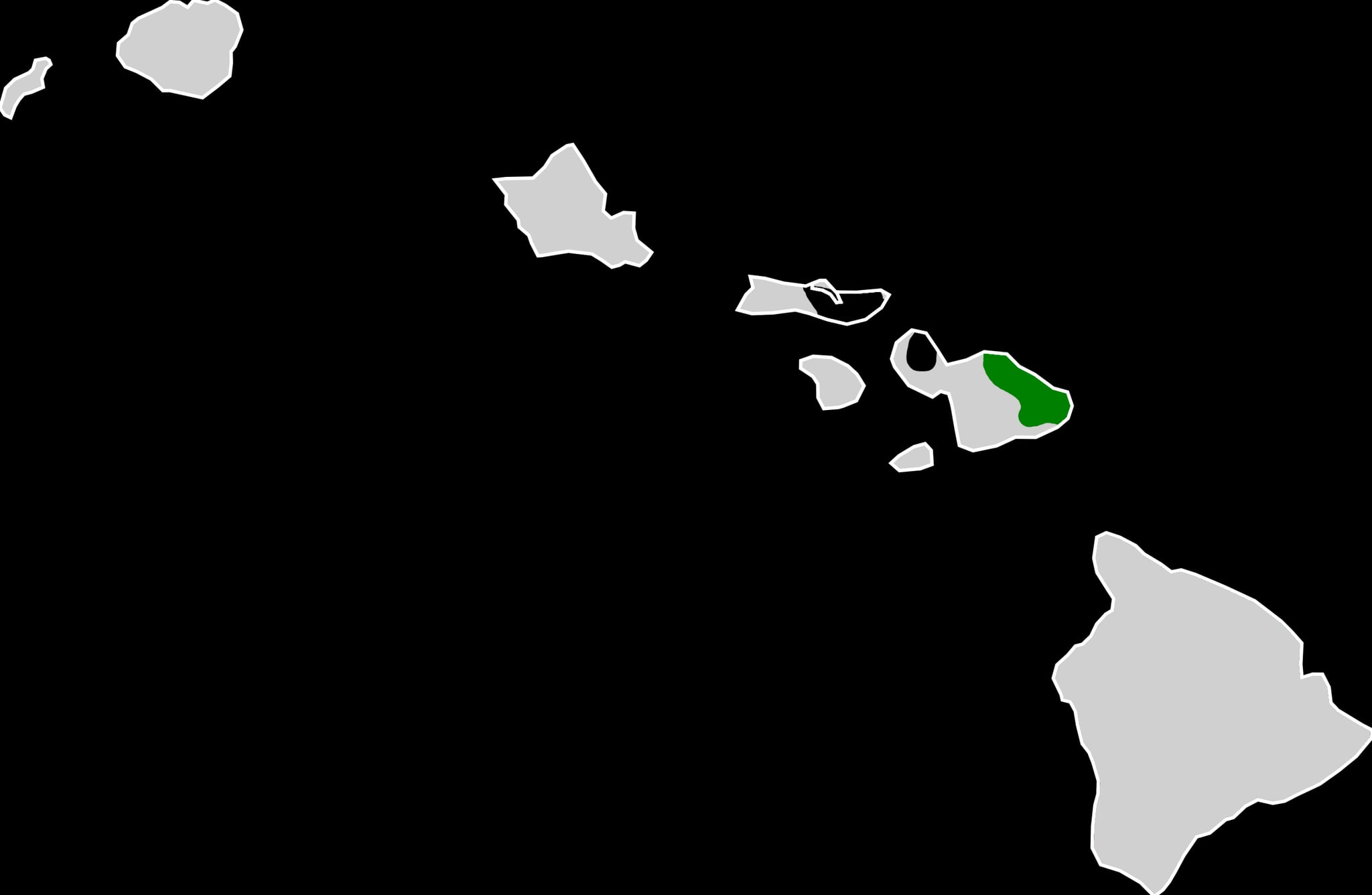
Data retrieved on October 15, 2025 at 6:07 AM