 Bird App
Bird of the day
Black currawong
Strepera fuliginosa
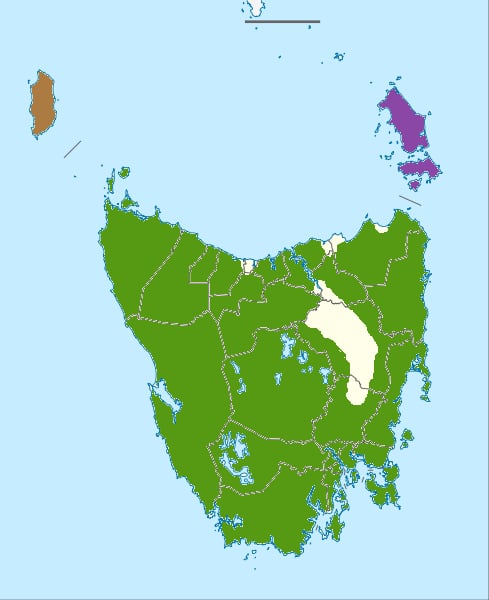
The black currawong (Strepera fuliginosa), also known locally as the black jay, is a large passerine bird endemic to Tasmania and the nearby islands within the Bass Strait. One of three currawong species in the genus Strepera, it is closely related to the butcherbirds and Australian magpie within the family Artamidae. It is a large crow-like bird, around 50 cm (20 in) long on average, with yellow irises, a heavy bill, and black plumage with white wing patches. The male and female are similar in appearance. Three subspecies are recognised, one of which, Strepera fuliginosa colei of King Island, is vulnerable to extinction.
Within its range, the black currawong is generally sedentary, although populations at higher altitudes relocate to lower areas during the cooler months. The habitat includes densely forested areas as well as alpine heathland. It is rare below altitudes of 200 m (660 ft). Omnivorous, its diet includes a variety of berries, invertebrates, and small vertebrates. Less arboreal than the pied currawong, the black currawong spends more time foraging on the ground. It roosts and breeds in trees.
The black currawong is about 50 cm (20 in) long with an 80 cm (31 in) wingspan. The male is somewhat larger and heavier than the female; males of the nominate subspecies average 405 g (14.3 oz) to females' 340 g (12 oz). Male wings average around 27 cm (11 in) and tails 19 cm (7.5 in), while female wings average 25.8 cm (10.2 in) and tails 18.5 cm (7.3 in). Data for the two island subspecies is limited, but males of subspecies colei have been measured at 360 and 398 g (12.7 and 14.0 oz) with 26 cm (10 in) wings on average, and a female at 335 g (11.8 oz) with a 24 cm (9.4 in) wing, and subspecies parvior at 370–410 g (13–14 oz) for males with 26 cm (10 in) wings on average, and 308 g (10.9 oz) and 25 cm (9.8 in) wing for a female. The sexes are similar in plumage, which is all black except for white patches at the tips of the wings and tail feathers. The bill and legs are black and the eyes bright yellow. The white tips line the trailing edges of the wings in flight, and a paler arc across the bases of the primary flight feathers is also visible on the underwing. Although there is no seasonal variation to the plumage, the black may fade a little to a dark brown with wear. Immature birds have browner-tinged plumage, and a yellow gape until they are two years old. The oldest recorded age of a black currawong has been 15 years; a bird was sighted in July 2004 near Fern Tree, Tasmania, less than 2 km (1.2 mi) from where it had been banded in July 1989.
The black currawong is a loud and vocal species, and makes a variety of calls. Its main call is markedly different from the pied or grey currawongs and has been described as a combination of alternating kar and wheek sounds, killok killok, or even akin to part song and part human laughter. Although often noisy when flying in flocks, it can be silent when seeking prey or thieving food. Before or around dawn and at nightfall appear to be periods of increased calling, and birds are reported to be more vocal before rain or storms. Parents also make a long fluting whistle to summon their young.
The black currawong is commonly confused with the clinking currawong, but the latter species has a white rump and larger white wing patches. The black currawong has a heavier bill and a characteristic call unlike the clink-clink call of the clinking. The forest and little ravens are similar in size but lack the white wing patches, and instead have entirely black plumage and white, rather than yellow eyes. The black currawong is unlikely to be mistaken for the closely related pied currawong as the latter does not reach Tasmania, but it has a longer and deeper bill and lacks the white rump and undertail coverts.
Aliases
Strepera fuliginosa, Strepera (Strepera) fuliginosa
Range
Data retrieved on October 15, 2025 at 5:22 AM